Author: quotepad
 **DTMF Encoder: The Key to Efficient Communication**
In today’s digital age, communication has become an essential part of our daily lives. With the advancement of technology, various methods have been developed to facilitate communication, including the use of Dual-Tone Multi-Frequency (DTMF) encoding. DTMF encoding is a technique used to transmit information over phone lines, and it plays a crucial role in various applications, including telecommunications, computer networks, and even home automation systems.
DTMF encoding is based on the principle of generating a unique tone for each key on a standard telephone keypad. Each key corresponds to a specific frequency, which is used to transmit the corresponding digit or symbol. The tones are generated by combining two frequencies, one from the low-frequency range and the other from the high-frequency range. This combination of frequencies allows for the transmission of information over phone lines, enabling users to communicate effectively.
The process of DTMF encoding involves several steps. First, the user inputs a sequence of digits or symbols using a standard telephone keypad. The keypad is connected to a DTMF encoder, which converts the input sequence into a digital signal. The digital signal is then transmitted over the phone line, where it is received by a DTMF decoder. The decoder converts the digital signal back into the original sequence of digits or symbols, allowing the user to receive the information.
DTMF encoding has several advantages that make it an essential component in various communication systems. One of the primary benefits is its ability to transmit information over phone lines, which is essential for telecommunications and computer networks. DTMF encoding also provides a reliable and efficient method for transmitting information, as it is less prone to errors and interference. Additionally, DTMF encoding is widely supported by most phone systems, making it a universal standard for communication.
In addition to its use in telecommunications and computer networks, DTMF encoding is also used in various other applications, including home automation systems and security systems. For example, DTMF encoding can be used to control home appliances, such as lights and thermostats, remotely using a standard telephone keypad. Similarly, DTMF encoding can be used to arm and disarm security systems, providing an additional layer of security for homes and businesses.
Despite its widespread use, DTMF encoding is not without its limitations. One of the primary limitations is its susceptibility to interference and errors. DTMF encoding is sensitive to noise and interference, which can cause errors in the transmission of information. Additionally, DTMF encoding is not secure, as it can be easily intercepted and decoded by unauthorized parties.
To overcome these limitations, various techniques have been developed to improve the reliability and security of DTMF encoding. One such technique is the use of error-correcting codes, which can detect and correct errors in the transmission of information. Another technique is the use of encryption, which can scramble the information being transmitted, making it difficult for unauthorized parties to intercept and decode.
In conclusion, DTMF encoding is a crucial component in various communication systems, including telecommunications, computer networks, and home automation systems. Its ability to transmit information over phone lines, provide a reliable and efficient method for transmitting information, and be widely supported by most phone systems make it an essential standard for communication. While DTMF encoding is not without its limitations, various techniques have been developed to improve its reliability and security. As technology continues to advance, it is likely that DTMF encoding will play an even more important role in facilitating communication in the future.
Practical and Helpful Tips:
3 Tips from Someone With Experience
 Taming the Beast: Mastering Leash Reactive Dog Training in Los Angeles
1. Understanding Leash Reactivity
As you stroll through the streets of Los Angeles with your furry companion by your side, you can’t help but feel a sense of pride and joy. That is, until your dog suddenly lunges at another dog, or a pedestrian, or a squirrel, and you’re left struggling to maintain control of the leash. This phenomenon is known as leash reactivity, and it’s a common issue many dog owners face. But fear not, dear dog owner, for there is hope. With the right training and techniques, you can transform your walks from stressful to serene.
2. What Causes Leash Reactivity?
Before diving into the solutions, it’s essential to understand the root causes of leash reactivity. In most cases, it’s a combination of factors, including fear, anxiety, and excitement. Your dog may feel trapped or restricted by the leash, leading to a heightened sense of alertness and a strong instinct to react to perceived threats or stimuli. Additionally, if your dog is not adequately socialized or has had negative experiences in the past, they may be more prone to leash reactivity.
3. Identifying Leash Reactive Behavior
So, how do you know if your dog is leash reactive? Look out for these common signs:
– Pulling or lunging at the leash
– Barking, growling, or snapping at other dogs, people, or objects
– Raising hackles or displaying a stiff posture
– Avoiding certain areas or situations
– Displaying anxiety or stress behaviors, such as panting, yawning, or pacing
If you’ve identified with any of these signs, don’t worry – leash reactive dog training in Los Angeles is just around the corner.
4. The Importance of Professional Guidance
While it’s tempting to tackle the issue alone, seeking the help of a professional dog trainer is crucial in addressing leash reactivity expert can help you identify the underlying causes of your dog’s behavior and develop a customized training plan tailored to your dog’s specific needs. A professional trainer will also provide you with the necessary tools and techniques to manage and overcome leash reactivity.
5. Desensitization and Counterconditioning
Two fundamental techniques used in leash reactive dog training in Los Angeles are desensitization and counterconditioning. Desensitization involves gradually exposing your dog to the stimuli that triggers their reactivity, starting from a safe distance, while rewarding calm behavior. Counterconditioning takes it a step further by associating the presence of the trigger with something pleasant, such as treats or praise. This helps your dog learn to associate the stimuli with positive outcomes, rather than negative emotions.
6. The Power of Positive Reinforcement
Positive reinforcement is a cornerstone of effective leash reactive dog training. By focusing on rewarding desired behaviors, such as calm walking or ignoring distractions, you can encourage your dog to repeat those behaviors. This approach not only helps to reduce reactivity but also strengthens the bond between you and your dog.
7. Managing Leash Reactivity in Public
So, what do you do when faced with a reactive situation? Stay calm, and avoid scolding or punishing your dog. Instead, try the following:
– Maintain a steady pace and avoid sudden stops or turns
– Keep the leash loose, but not too loose, to prevent your dog from feeling trapped
– Use verbal cues, such as “watch me” or “leave it,” to distract your dog from the trigger
– Gradually increase the distance between your dog and the trigger
8. Training in Real-Life Scenarios
One of the most effective ways to overcome leash reactivity is to train in real-life scenarios. This means practicing in areas with high foot traffic, such as popular dog parks or busy streets in Los Angeles. By exposing your dog to these situations in a controlled and gradual manner, you can help them become more confident and calm in the face of distractions.
9. Patience and Persistence: The Keys to Success
Overcoming leash reactivity takes time, effort, and persistence. It’s essential to set realistic goals and celebrate small victories along the way. Don’t be discouraged by setbacks, as they are an inevitable part of the training process. With patience, consistency, and the right guidance, you can transform your dog into a calm and well-behaved walking companion.
By embracing the techniques and strategies outlined above, you can bid farewell to stressful walks and hello to a more enjoyable, relaxing experience for both you and your dog. So why wait? Seek out a professional leash reactive dog trainer in Los Angeles today and take the first step towards a happier, healthier relationship with your furry friend.
The Best Advice About I’ve Ever Written
What You Should Know About This Year
 Building Your Dream Log Home in Oregon: A Comprehensive Guide
Oregon is a nature lover’s paradise, with its lush forests, rugged coastlines, and picturesque mountains. It’s no wonder that many people dream of building a log home in this beautiful state. If you’re one of them, you’re in luck! With its abundant natural resources and relaxed building codes, it’s an ideal place to bring your log home vision to life. But before you start building, there are some essential things to consider.
Choosing the Right Log Home Style
When it comes to log homes, there are many styles to choose from, each with its unique characteristics. From modern and sleek to rustic and traditional, the options are endless. But before you decide on a style, consider your lifestyle, budget, and the natural surroundings of your building site. Do you want a cozy cabin-style home or a spacious lodge-style retreat? Perhaps you’re looking for something more contemporary with clean lines and minimal ornamentation. Take your time, and don’t be afraid to mix and match elements to create a unique look that reflects your personality.
Selecting the Perfect Building Site
Your building site is just as important as your log home design. Oregon’s diverse landscape offers a wide range of options, from forested areas to coastal plots. When selecting a site, consider factors like accessibility, zoning regulations, and environmental impact. You’ll also want to think about the natural resources available, such as sunlight, wind direction, and water supply. A south-facing slope can provide natural heat and light, while a coastal site may require special considerations for wind and weather resistance.
Working with a Reputable Log Home Builder
A reputable log home builder can make all the difference in bringing your dream to life. Look for a builder with experience in Oregon’s unique climate and terrain. They should have a deep understanding of the local materials, building codes, and environmental regulations. A good builder will also be able to guide you through the entire process, from design to completion. Be sure to research their reputation, ask for references, and inspect their previous work before making a decision.
Understanding Oregon’s Building Codes and Regulations
Oregon has its own set of building codes and regulations, which can vary depending on the region and local authorities. It’s essential to familiarize yourself with these codes to avoid any costly surprises down the line. Your log home builder should be well-versed in these regulations and able to guide you through the permitting process. Some of the key areas to focus on include energy efficiency, fire resistance, and environmental impact.
Sustainable and Eco-Friendly Log Home Options
Oregon is known for its eco-friendly vibe, and your log home should be no exception. Consider using sustainable materials, such as reclaimed or locally sourced timber. You can also incorporate eco-friendly features like solar panels, rainwater harvesting systems, and energy-efficient appliances. Not only will these features reduce your environmental impact, but they’ll also save you money in the long run.
Designing for Oregon’s Unique Weather Patterns
Oregon’s weather patterns can be unpredictable, to say the least. From heavy rainfall to intense sunlight, you’ll want to design your log home with these factors in mind. Consider using durable materials that can withstand the elements, such as cedar or cypress. You’ll also want to think about drainage, insulation, and weather-tight construction to keep your log home cozy and dry.
Budgeting for Your Log Home
Budgeting for your log home is crucial to avoid costly surprises down the line. Consider not only the initial construction costs but also ongoing expenses like maintenance, utilities, and property taxes. Your log home builder should be able to provide you with a detailed breakdown of the costs involved, including materials, labor, and permits. Be sure to also factor in contingencies for unexpected expenses that may arise during construction.
Maintaining Your Log Home
Once your log home is complete, it’s essential to maintain it properly to ensure its longevity. Regularly inspect your home for signs of damage or wear, and perform routine tasks like cleaning and sealing the logs. You should also budget for ongoing maintenance costs, such as replacing roofing materials or repairing damaged logs. By staying on top of maintenance, you’ll be able to enjoy your log home for years to come.
Conclusion
Building a log home in Oregon can be a dream come true, but it requires careful planning and attention to detail. By choosing the right style, selecting the perfect building site, and working with a reputable log home builder, you’ll be well on your way to creating a stunning and sustainable retreat that reflects your unique personality. Remember to stay informed about Oregon’s building codes and regulations, design for the state’s unique weather patterns, and budget for ongoing expenses. With the right approach, you’ll be able to enjoy your log home for generations to come.
Smart Ideas: Revisited
What Has Changed Recently With ?
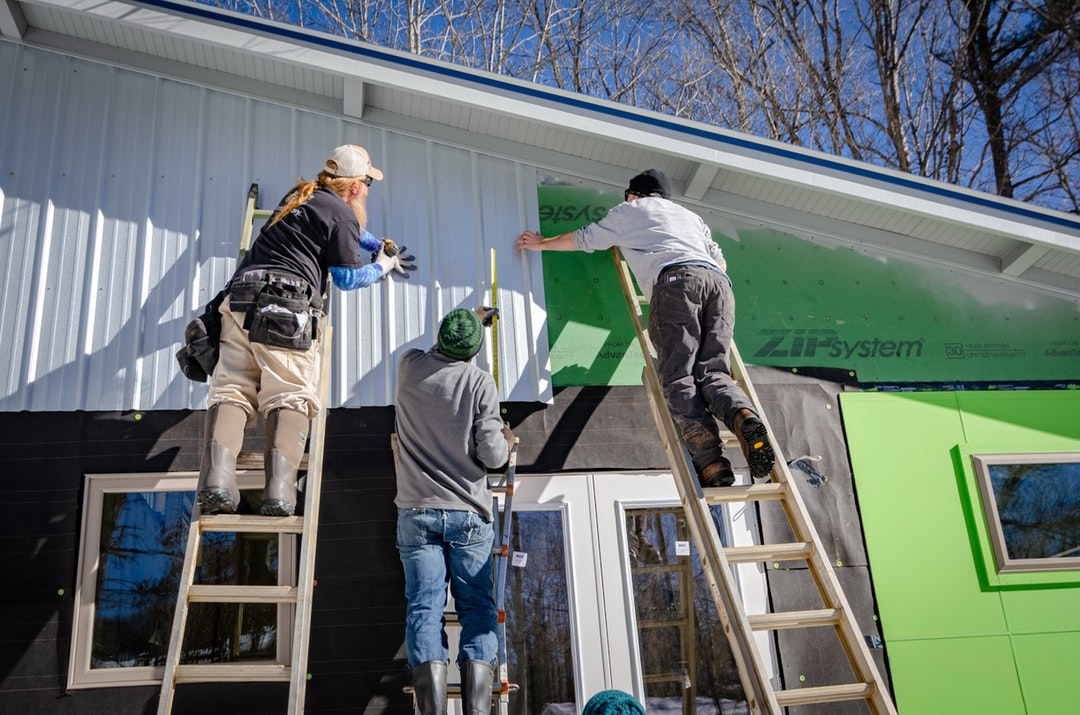 Building Your Dream Home: A Guide to Working with a Custom Home Contractor in Oregon
When it comes to building your dream home, there’s no one-size-fits-all solution. Every homeowner has unique needs, preferences, and budgets, which is why working with a custom home contractor in Oregon can be a game-changer. With a custom home contractor, you can design and build a home that perfectly suits your lifestyle, from the layout to the finishes. But how do you find the right contractor for the job? And what can you expect during the building process?
1. Finding the Right Contractor
The first step in building your dream home is finding the right contractor. With so many options available, it can be overwhelming to know where to start. Here are a few tips to help you find the perfect contractor for your project:
* Ask for referrals: Ask friends, family, or neighbors who have recently built a custom home for recommendations. They can provide valuable insights into the contractor’s work ethic, communication style, and attention to detail.
* Check online reviews: Look up contractors on review websites such as Yelp or Google to see what past clients have to say about their experience.
* Check licenses and certifications: Make sure the contractor is licensed and certified to work in Oregon. You can check with the Oregon Construction Contractors Board to verify their status.
2. Understanding the Building Process
Once you’ve found the right contractor, it’s essential to understand the building process. Here’s a general overview of what you can expect:
* Design phase: This is the initial phase where you work with the contractor to design your dream home. This includes creating a floor plan, selecting finishes, and choosing materials.
* Permitting phase: During this phase, the contractor will obtain the necessary permits from local authorities to begin construction.
* Construction phase: This is the actual building phase where the contractor will start constructing your home. This can take several months to a year or more, depending on the complexity of the project.
* Inspection phase: Throughout the construction process, the contractor will conduct regular inspections to ensure that the work meets your expectations and local building codes.
3. Designing Your Dream Home
One of the most exciting parts of building a custom home is designing it. Here are a few tips to keep in mind:
* Start with a blank slate: Don’t be afraid to start from scratch and design a home that perfectly suits your needs and preferences.
* Consider your lifestyle: Think about how you live and how you want to live in your new home. Do you need a home office? A playroom for the kids? A backyard patio for entertaining?
* Choose materials wisely: Select materials that are durable, low-maintenance, and fit your budget. Consider using sustainable materials whenever possible.
4. Budgeting for Your Dream Home
Building a custom home can be expensive, but with a clear budget in mind, you can avoid costly surprises down the line. Here are a few tips to help you budget for your dream home:
* Determine your budget: Decide how much you’re willing to spend on your new home. Consider factors such as land costs, construction costs, and finishing costs.
* Prioritize your needs: Identify your must-haves and nice-to-haves. Focus on the essentials first, and then add in the extras.
* Consider financing options: If you need to finance your dream home, research your options and choose the one that best fits your needs.
5. Working with Your Contractor
Building a custom home can be a collaborative process, and it’s essential to work closely with your contractor to ensure that your dream home turns out exactly as you envisioned it. Here are a few tips to help you work effectively with your contractor:
* Communicate openly: Don’t be afraid to ask questions or express concerns. Keep the lines of communication open to avoid misunderstandings.
* Set clear expectations: Establish clear expectations for the project, including timelines, budgets, and quality standards.
* Be flexible: Be prepared to make changes or adjustments as needed. Remember, building a custom home is a process, and things don’t always go as planned.
6. Inspecting Your Dream Home
Once your custom home is complete, it’s essential to inspect it thoroughly to ensure that it meets your expectations and local building codes. Here are a few tips to help you inspect your dream home:
* Conduct a walk-through: Take a walk-through of your new home to identify any defects or issues.
* Check for defects: Look for any defects or issues, such as cracks in the walls, uneven floors, or faulty plumbing.
* Address any issues: Work with your contractor to address any issues or defects that you’ve identified.
7. Maintaining Your Dream Home
Once your custom home is complete, it’s essential to maintain it to ensure that it remains in good condition for years to come. Here are a few tips to help you maintain your dream home:
* Regular maintenance: Regularly inspect and maintain your home to prevent costly repairs down the line.
* Address issues promptly: Address any issues or defects promptly to prevent them from becoming major problems.
* Consider a home warranty: Consider purchasing a home warranty to protect yourself against costly repairs and replacements.
8. The Benefits of Working with a Custom Home Contractor
Working with a custom home contractor in Oregon can offer numerous benefits, including:
* Unique design: With a custom home contractor, you can design a home that perfectly suits your needs and preferences.
* Quality construction: Custom home contractors are committed to building high-quality homes that meet local building codes and exceed your expectations.
* Personalized service: Custom home contractors offer personalized service, working closely with you to ensure that your dream home turns out exactly as you envisioned it.
9. Conclusion
Building a custom home can be a complex and overwhelming process, but with the right contractor and a clear understanding of the building process, you can create a home that perfectly suits your needs and preferences. By following these tips and working closely with your contractor, you can ensure that your dream home turns out exactly as you envisioned it. Remember to prioritize your needs, communicate openly, and maintain your home to ensure that it remains in good condition for years to come. With the right approach, you can build a custom home that you’ll love for years to come.
Lessons Learned from Years with
The Essential Laws of Explained
The landscape of global trade has actually been significantly shaped by the application of tariffs, especially in the USA. [url]learn more[/url] on [url]this website[/url] [url]now![/url] These tax obligations troubled imported goods act as both an income resource for the government and a protective step for domestic industries. However, the intricacies surrounding tariffs produce numerous obstacles for both services and consumers. Recognizing these obstacles is essential for navigating the evolving profession setting. [url]click for more[/url] on [url]this website[/url] [url]here![/url]
Among the key difficulties of united state tariffs is their impact on domestic markets. While tolls are designed to secure neighborhood makers from international competition, they can also bring about enhanced prices for customers. For instance, when tariffs are put on imported basic materials, domestic firms may encounter higher manufacturing costs, which they might hand down to consumers. This can result in filled with air costs for items and services, eventually restricting consumer costs and affecting financial growth. [url]read more[/url] on [url]this website[/url] [url]now![/url]
Moreover, the imposition of tolls frequently results in vindictive procedures from various other nations. This cycle of revenge can intensify right into profession wars, which produce more instability in global markets. As an example, if the united state enforces tariffs on steel imports, nations that export steel may respond by imposing their very own tolls on American products. This not just hurts U.S. merchants yet can also produce a less predictable trading atmosphere, making it difficult for services to intend their operations effectively. [url]discover more[/url] [url]now![/url]
One more considerable challenge is the intricacy of the toll system itself. The U.S. tariff code is intricate, with different categories for products that can bring about complication amongst importers. Misclassifying goods can cause significant charges, affecting compliance and operational performance. Businesses need to invest time and resources to make certain precise category and adherence to tariff regulations, which can draw away focus from core operations. [url]learn more[/url] on [url]this website[/url] [url]here![/url]
In conclusion, while tariffs are planned to serve as economic protective actions, they introduce a host of challenges that can have significant repercussions. [url]check it out![/url] From raising expenses for customers and prompting profession battles to the problems of compliance with an intricate toll system, the effect of tolls on the U.S. economic climate can not be neglected. As the trade landscape remains to progress, stakeholders need to stay watchful and flexible to navigate the recurring difficulties presented by tolls effectively.
 “Convenience in a Can: The Rise of Shelf-Stable Prepared Meals”
In today’s fast-paced world, people are constantly on the lookout for ways to save time and energy while still maintaining a healthy and balanced diet. One solution that has gained popularity in recent years is shelf-stable prepared meals. These meals are designed to be stored at room temperature, eliminating the need for refrigeration or freezing, making them a convenient option for busy individuals and families.
Shelf-stable prepared meals have been around for decades, but it’s only in recent years that they have gained widespread acceptance and popularity. This is largely due to advances in food technology and packaging, which have made it possible to create meals that are not only nutritious but also safe and easy to consume. With the rise of online shopping and meal delivery services, shelf-stable prepared meals have become a staple in many households.
One of the main advantages of shelf-stable prepared meals is their convenience. They can be stored in a pantry or cupboard, eliminating the need for refrigeration or freezing, and can be easily taken on-the-go. This makes them an ideal option for people with busy schedules, such as working professionals, students, and parents. Shelf-stable prepared meals are also a great option for people who live in areas with limited access to fresh food or who have limited cooking facilities.
Another advantage of shelf-stable prepared meals is their nutritional value. Many shelf-stable prepared meals are made with wholesome ingredients and are designed to provide a balanced mix of protein, carbohydrates, and fiber. They are also often fortified with essential vitamins and minerals, making them a healthy and convenient option for people of all ages.
In addition to their convenience and nutritional value, shelf-stable prepared meals are also a cost-effective option. They can be purchased in bulk, making them a great value for families or individuals who need to feed a large group of people. They are also often less expensive than fresh or frozen meals, making them a great option for people on a budget.
Shelf-stable prepared meals are also a great option for people who have limited cooking skills or who are new to cooking. They are often easy to prepare and can be heated in a matter of minutes, making them a great option for people who are short on time or who are not confident in their cooking abilities.
Despite their many advantages, shelf-stable prepared meals are not without their drawbacks. One of the main concerns is the potential for preservatives and additives in the meals. Some people may be concerned about the impact of these ingredients on their health and well-being. However, many shelf-stable prepared meals are made with natural ingredients and are free from artificial preservatives and additives.
Another concern is the environmental impact of shelf-stable prepared meals. The packaging and transportation of these meals can have a significant impact on the environment, and some people may be concerned about the carbon footprint of these meals. However, many companies are working to reduce their environmental impact by using sustainable packaging and sourcing ingredients from environmentally responsible suppliers.
In conclusion, shelf-stable prepared meals are a convenient, nutritious, and cost-effective option for people of all ages. They are a great option for busy individuals and families who need a quick and easy meal solution. While there are some drawbacks to consider, such as the potential for preservatives and additives and the environmental impact, many shelf-stable prepared meals are made with natural ingredients and are designed to be sustainable. With the rise of online shopping and meal delivery services, shelf-stable prepared meals are becoming a staple in many households, and it’s easy to see why.
– Getting Started & Next Steps
5 Takeaways That I Learned About
 The Thrifty Industrialist: A Guide to Pre-Owned Industrial Parts in Ohio
When it comes to maintaining and upgrading industrial equipment, it’s not always necessary to purchase brand new parts. In fact, pre-owned industrial parts can be a cost-effective and environmentally friendly solution for many businesses. Ohio, with its rich industrial heritage, is home to a thriving market for pre-owned industrial parts. In this article, we’ll explore the benefits of buying pre-owned industrial parts, where to find them in Ohio, and what to look for when making a purchase.
Benefits of Pre-Owned Industrial Parts
Before we dive into the specifics of pre-owned industrial parts in Ohio, let’s take a look at the benefits of buying used equipment. For one, pre-owned industrial parts can be significantly cheaper than their brand new counterparts. This is because the initial depreciation has already occurred, and the part has been tested and proven to work. Additionally, buying used parts can help reduce waste and minimize the environmental impact of manufacturing new equipment.
Another advantage of pre-owned industrial parts is that they can be refurbished or remanufactured to meet the same standards as new equipment. This means that you can get a high-quality part at a fraction of the cost of a new one. Furthermore, buying pre-owned industrial parts can also help you get the equipment you need quickly, as they are often readily available and can be shipped quickly.
Where to Find Pre-Owned Industrial Parts in Ohio
Ohio is home to a number of industrial equipment suppliers, wholesalers, and distributors that specialize in pre-owned industrial parts. Some of the most popular places to find pre-owned industrial parts in Ohio include:
1. Industrial equipment auctions: Industrial equipment auctions are a great place to find pre-owned industrial parts at discounted prices. These auctions are often held online or in-person, and feature a wide range of equipment and parts from various manufacturers.
2. Surplus stores: Surplus stores are a great place to find pre-owned industrial parts at discounted prices. These stores often carry a wide range of equipment and parts, and may offer discounts for bulk purchases.
3. Online marketplaces: Online marketplaces like eBay and Craigslist often feature pre-owned industrial parts for sale. However, be sure to exercise caution when purchasing from these sources, as the quality and authenticity of the parts may vary.
4. Industrial equipment dealers: Industrial equipment dealers often carry a selection of pre-owned industrial parts, and may offer refurbished or remanufactured options.
What to Look for When Buying Pre-Owned Industrial Parts
When buying pre-owned industrial parts, it’s essential to do your research and make sure you’re getting a high-quality part that will meet your needs. Here are a few things to look for when making a purchase:
1. Condition: Make sure the part is in good condition and has been properly maintained. Look for any signs of wear or damage, and ask the seller about the part’s history.
2. Documentation: Ask the seller for documentation, such as manuals, schematics, and maintenance records. This will help you understand how to use and maintain the part.
3. Warranty: Find out if the part comes with a warranty, and what it covers. A good warranty can provide peace of mind and protect your investment.
4. Certification: Look for certifications from reputable organizations, such as the National Institute of Standards and Technology (NIST). These certifications can ensure that the part meets certain standards and is safe to use.
5. Price: Compare prices from different sellers to make sure you’re getting a fair deal. Keep in mind that the cheapest option may not always be the best value.
Conclusion
Buying pre-owned industrial parts can be a cost-effective and environmentally friendly way to maintain and upgrade your equipment. Ohio is home to a thriving market for pre-owned industrial parts, with a number of suppliers, wholesalers, and distributors to choose from. By doing your research and knowing what to look for, you can find high-quality pre-owned industrial parts that meet your needs and fit your budget. Whether you’re looking for a specific part or just want to explore the options available, pre-owned industrial parts in Ohio are definitely worth considering.
The Beginners Guide To (Chapter 1)
Tips for The Average Joe
 Designing a Warehouse with New Pallet Racking: A Guide to Maximizing Storage and Efficiency
When it comes to designing a warehouse, one of the most critical components is the pallet racking system. A well-designed pallet racking system can significantly impact the efficiency and productivity of your warehouse operations. In this article, we will explore the benefits of new pallet racking and provide a comprehensive guide on how to design a warehouse with new pallet racking that maximizes storage and efficiency.
Benefits of New Pallet Racking
New pallet racking systems offer numerous benefits over traditional storage methods. One of the primary advantages is increased storage capacity. By using vertical space, new pallet racking systems can store more pallets in a smaller footprint, freeing up valuable floor space for other activities. Additionally, new pallet racking systems are designed to be highly customizable, allowing you to tailor the system to your specific storage needs.
Another significant benefit of new pallet racking is improved accessibility. With a new pallet racking system, you can easily access pallets from multiple levels, reducing the need for manual lifting and increasing productivity. New pallet racking systems also provide improved safety features, such as guardrails and safety nets, to prevent accidents and injuries.
Designing a Warehouse with New Pallet Racking
When designing a warehouse with new pallet racking, there are several key considerations to keep in mind. The first step is to assess your storage needs and determine the type of products you will be storing. This will help you determine the size and configuration of the pallet racking system.
Next, you should consider the layout of your warehouse. A well-designed warehouse layout can significantly impact the efficiency of your operations. You should aim to create a layout that minimizes travel time and maximizes storage capacity.
When selecting a new pallet racking system, you should consider the following factors:
1. Durability: Look for a system that is designed to withstand heavy use and harsh environments.
2. Customization: Choose a system that can be customized to meet your specific storage needs.
3. Accessibility: Select a system that provides easy access to pallets from multiple levels.
4. Safety: Opt for a system that includes safety features, such as guardrails and safety nets.
5. Maintenance: Consider a system that is easy to maintain and repair.
Types of New Pallet Racking Systems
There are several types of new pallet racking systems available, each with its own unique benefits and drawbacks. Some of the most common types of new pallet racking systems include:
1. Selective Pallet Racking: This type of system allows you to access pallets from multiple levels, making it ideal for warehouses with high-volume storage needs.
2. Drive-In Pallet Racking: This type of system is designed for warehouses with high-volume storage needs and allows you to drive pallets into the system for easy access.
3. Push-Back Pallet Racking: This type of system is designed for warehouses with high-volume storage needs and allows you to push pallets into the system for easy access.
4. Double-Deep Pallet Racking: This type of system is designed for warehouses with high-volume storage needs and allows you to store pallets in double rows, increasing storage capacity.
Choosing the Right New Pallet Racking System
Choosing the right new pallet racking system for your warehouse can be a daunting task. However, by considering the following factors, you can make an informed decision:
1. Storage Needs: Determine the type and quantity of products you will be storing.
2. Warehouse Layout: Consider the layout of your warehouse and how it will impact the efficiency of your operations.
3. Budget: Determine your budget for the new pallet racking system and consider the cost-benefit analysis of each option.
4. Maintenance: Consider the maintenance requirements of each option and choose a system that is easy to maintain and repair.
Conclusion
Designing a warehouse with new pallet racking can significantly impact the efficiency and productivity of your operations. By considering the benefits of new pallet racking, designing a warehouse with new pallet racking, and choosing the right new pallet racking system, you can create a warehouse that maximizes storage and efficiency. Remember to assess your storage needs, consider the layout of your warehouse, and choose a system that is durable, customizable, accessible, and safe. With the right new pallet racking system, you can take your warehouse operations to the next level.
– Getting Started & Next Steps
Looking On The Bright Side of
 Building a Dream Home in Lynchburg, VA: A Comprehensive Guide
Lynchburg, Virginia, is a charming city with a rich history and a growing population. As the city continues to thrive, the demand for new homes is on the rise. If you’re considering building a new home in Lynchburg, VA, this comprehensive guide will walk you through the process, from planning to completion.
Before You Begin
Before starting your new home construction project, it’s essential to have a clear understanding of your needs and preferences. Take some time to think about your lifestyle, budget, and personal style. What type of home do you want to build? Do you have a specific location in mind? What features are must-haves for you?
Once you have a clear idea of what you want, it’s time to start researching local builders and contractors. Look for companies with a good reputation, experience, and a portfolio of completed projects. You can also ask for referrals from friends, family, or neighbors who have built homes in the area.
Designing Your Dream Home
The design phase is where you get to bring your vision to life. Work closely with your builder or architect to create a custom design that meets your needs and fits your budget. Consider factors such as the size and layout of the home, the number of bedrooms and bathrooms, and the type of materials and finishes you want to use.
Some popular design trends in Lynchburg, VA, include:
* Open-concept living spaces
* Large windows and sliding glass doors
* Hardwood floors and high ceilings
* Modern kitchen designs with quartz countertops and stainless steel appliances
* Master suites with walk-in closets and spa-like bathrooms
Building Your Home
Once you have a design, it’s time to start building. This is the most exciting part of the process, as you get to see your dream home take shape. Your builder will handle all the necessary permits, inspections, and construction tasks, but it’s essential to stay involved and communicate regularly.
Some things to keep in mind during the building process include:
* Scheduling: Make sure you have a clear understanding of the construction timeline and milestones.
* Budgeting: Stay on top of your budget and make adjustments as needed.
* Quality control: Inspect your home regularly to ensure it’s being built to your standards.
Finishing Touches
The final stage of the process is where you get to add the finishing touches to your new home. This includes installing fixtures, appliances, and flooring, as well as painting and decorating the interior and exterior.
Some popular finishing touches in Lynchburg, VA, include:
* Custom cabinetry and shelving
* High-end appliances and fixtures
* Hardwood flooring and tile work
* Landscaping and outdoor living spaces
* Smart home technology and automation
Benefits of Building a New Home in Lynchburg, VA
Building a new home in Lynchburg, VA, offers many benefits, including:
* Customization: You can design your home to fit your unique needs and style.
* Energy efficiency: New homes are built with energy-efficient features and materials, which can save you money on utility bills.
* Low maintenance: New homes require less maintenance than older homes, which can save you time and money in the long run.
* Modern amenities: New homes often come with modern amenities, such as smart home technology and high-end appliances.
Conclusion
Building a new home in Lynchburg, VA, is a significant investment, but it can also be a rewarding and exciting experience. By following these steps and considering your needs and preferences, you can create a dream home that you’ll love for years to come. Remember to stay involved, communicate regularly with your builder, and prioritize quality and customization. With the right approach, you can build a beautiful and functional home that meets your needs and exceeds your expectations.
Learning The “Secrets” of
Why No One Talks About Anymore
 “Riding the Waves of Comfort: The Surprising Benefits of Surfboard Socks”
As you paddle out to catch the perfect wave, you’re not just thinking about the thrill of riding the surf, but also about the comfort and protection of your feet. That’s where surfboard socks come in – a game-changing innovation that’s revolutionizing the way surfers experience the ocean. But what exactly are surfboard socks, and how do they benefit your surfing experience? In this article, we’ll dive into the world of surfboard socks and explore the surprising benefits that will make you wonder how you ever surfed without them.
Surfboard socks are essentially neoprene socks that fit snugly over your feet and ankles, providing a layer of protection and comfort as you ride the waves. They’re designed to keep your feet warm and dry, even in cold water, and can help prevent blisters and hotspots caused by friction against the surfboard. But that’s not all – surfboard socks also offer a range of other benefits that can enhance your surfing experience.
One of the most significant advantages of surfboard socks is their ability to improve traction on the surfboard. By providing a textured surface for your feet to grip, surfboard socks can help prevent slipping and sliding, giving you more control and stability as you ride the waves. This is especially important for beginners, who may struggle to find their footing on the board. With surfboard socks, you can focus on your surfing technique without worrying about losing your grip.
Another benefit of surfboard socks is their ability to reduce the risk of injury. By providing a layer of cushioning and support, surfboard socks can help absorb the impact of falls and wipeouts, reducing the risk of ankle and foot injuries. This is especially important for surfers who are prone to wiping out, or for those who are still learning the basics of surfing.
Surfboard socks are also a great way to keep your feet warm and dry, even in cold water. Neoprene is a natural insulator, and the socks can help retain body heat, keeping your feet warm and toasty even in chilly conditions. This is especially important for surfers who surf in cold water, as cold feet can quickly become numb and uncomfortable.
In addition to these benefits, surfboard socks are also a great way to add some style to your surfing gear. With a range of colors and designs available, you can choose a pair that matches your personal style and surfboard. This is especially important for surfers who are looking to express their individuality and stand out from the crowd.
But what about the environmental impact of surfboard socks? As surfers, we’re all aware of the importance of reducing our environmental footprint, and surfboard socks are no exception. Most surfboard socks are made from neoprene, a synthetic material that’s recyclable and biodegradable. This means that you can enjoy the benefits of surfboard socks without worrying about harming the environment.
So, how do you choose the right surfboard socks for your surfing needs? The first step is to consider the type of surfing you’ll be doing. If you’re a beginner, you may want to opt for a pair with a more textured surface to improve traction. If you’re a more experienced surfer, you may prefer a pair with a smoother surface to reduce drag. You should also consider the temperature of the water you’ll be surfing in, as well as your personal preferences for fit and style.
In conclusion, surfboard socks are a game-changing innovation that can enhance your surfing experience in a range of ways. From improving traction and reducing the risk of injury, to keeping your feet warm and dry, surfboard socks are a must-have for any surfer. Whether you’re a beginner or an experienced surfer, surfboard socks can help you ride the waves with confidence and style. So why not give them a try and see the difference for yourself?
The Best Advice About I’ve Ever Written
What Do You Know About